





















Chatbot for Websites: Improve Conversions Fast
Discover how a chatbot for websites acts as a 24/7 shop assistant, instantly engaging visitors, reducing bounce rates, and boosting conversions. This practical guide offers easy, no-code strategies for businesses to improve sales fast.

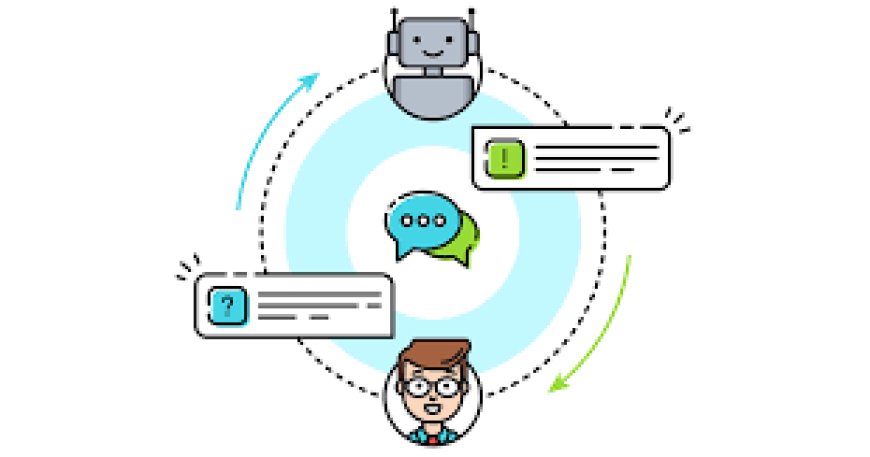
What Is a Chatbot for Websites?
A chatbot for websites is an AI-powered conversational tool integrated into your website that interacts with visitors in real time. Unlike a static FAQ or contact form, a chatbot actively engages users with natural language, understanding their queries and providing relevant answers or guidance immediately.
Platforms like BotBrain provide advanced AI chatbots tailored to automate customer service, marketing, and sales tasks by understanding intent and context, enabling businesses to:
-
Offer personalized, human-like conversations.
-
Handle thousands of simultaneous chats without waiting.
-
Automate repetitive support questions and free human agents for complex tasks.
-
Collect leads, book appointments, or promote offers dynamically.
Why Your Website Needs a Chatbot
1. Instant Customer Support
Online visitors expect quick answers. Research shows 82% of consumers expect an immediate response to sales or marketing questions. A chatbot delivers instant replies to common questions whether about product details, shipping, or returns eliminating frustrating wait times that cause users to leave.
2. Reduced Bounce Rates
High bounce rates mean visitors leave your site quickly, often because they dont find what they need. Chatbots proactively engage visitors who seem confused or inactive by offering help or directing them to relevant pages, keeping them on your site longer and increasing the chance of conversion.
3. Increased Conversions
Chatbots guide visitors through the buyers journey by answering doubts, recommending products based on preferences, or sharing promotions. For example, BotBrains clients have seen conversion rate increases of up to 11% by implementing personalized chatbots that close sales faster.
4. 24/7 Availability
Unlike human staff who work limited hours, chatbots provide round-the-clock assistance. Whether your customer shops at midnight or during holidays, the chatbot is ready to help capturing leads and sales opportunities anytime.
5. Cost Efficiency
Chatbots automate routine interactions, reducing the workload on customer service teams and cutting operational costs. By resolving common queries automatically, businesses save time and resources while maintaining high-quality support.
Real-Life Analogy: The 24/7 Shop Assistant
Imagine your favorite store only opens from 9 am to 5 pm. If you visit after hours with questions, youre out of luck. Now imagine hiring a super assistant who works nonstop, ready to help anyone who walks in, no matter the time.
A chatbot for websites acts exactly like this assistant:
-
Welcomes visitors the moment they land on your site.
-
Answers questions instantly, like Do you ship internationally?
-
Recommends products based on visitor preferences, like Customers who liked this also bought
-
Guides through checkout steps, reducing cart abandonment.
How a Chatbot for Websites Improves Conversions Fast
1. Instant Answers Keep Visitors Engaged
Instead of leaving to find answers elsewhere, visitors can ask the chatbot directly about product specs, availability, or discounts. Immediate responses remove hesitation, keeping visitors on your site longer.
2. Proactive Help Reduces Bounce Rate
Using behavioral triggers, chatbots detect when visitors are inactive or about to exit and jump in with timely offers or assistance. For example, a chatbot might ask, Can I help you find something before you go? which can turn away bounce.
3. Personalized Recommendations Increase Sales
Chatbots learn from visitor interactions and browsing patterns to suggest products tailored to their tastes. Personalized suggestions feel like a trusted assistants advice, increasing the likelihood of purchase.
4. Lead Capture and Follow-Up
Chatbots collect emails, phone numbers, or appointment requests during conversations, building your lead database without intrusive pop-ups. These leads can be nurtured via email marketing or sales outreach.
5. Seamless Support Without Extra Staff
Automating common questions with a chatbot frees your customer support team from handling repetitive inquiries. This lets them focus on complex or urgent issues that need human attention, improving overall efficiency. Customers get instant answers, reducing wait times and boosting satisfaction. Plus, your business can handle more support requests without hiring extra staff, saving time and costs.
Quick No-Code Tips to Start Using a Chatbot for Websites Today
Getting a chatbot up and running is easier than ever no coding required. Heres how:
Step 1: Choose a User-Friendly Chatbot Platform
Start by selecting a chatbot platform that offers no-code or low-code setup, so you dont need technical skills. Look for easy drag-and-drop builders, pre-made templates, and seamless website integration. Popular platforms include BotBrain, Tidio, ManyChat, and Landbot each designed to get your chatbot running quickly without coding.
-
BotBrain: Offers AI-powered, multilingual chatbots with easy website integration and customizable flows.
-
Tidio: Combines live chat and chatbot with drag-and-drop setup.
-
ManyChat: Great for marketing-focused bots on websites and social media.
-
Landbot: Visual chatbot builder focused on conversational forms.
Step 2: Identify Common Visitor Questions and Intentions
Think about the typical questions or concerns your visitors have like shipping times, return policies, product details, or payment options. Listing these helps you create clear, helpful answers for your chatbot to provide instantly. Understanding visitor intentions ensures your chatbot guides users smoothly toward what they need.
-
Shipping and delivery times
-
Product features and sizing
-
Return policies
-
Payment options
Step 3: Craft a Friendly, On-Brand Greeting
First impressions matter. Configure your chatbot to greet visitors warmly and invite engagement, e.g.:
Hi! Need help finding the perfect product? Im here to assist you.
Step 4: Set Behavioral Triggers for Chatbot Popups
Configure triggers based on visitor behavior to maximize engagement, such as:
-
Time spent on page
-
Scrolling activity
-
Mouse movement toward closing tab
Step 5: Use Buttons and Quick Replies
Simplify conversations with clickable options like:
-
Show me todays deals
-
Contact support
-
Browse new arrivals
Step 6: Monitor, Analyze, and Improve
Regularly review chatbot analytics to see which questions are common, where visitors drop off, and how conversions improve. Refine your chatbot scripts to address gaps and enhance the experience.
Success Story: Ballsportdirekts Transformation with BotBrain
Ballsportdirekt, a sports goods retailer, integrated BotBrains AI chatbot to handle their customer inquiries. The results were remarkable:
-
Answered over 90% of 14,000+ yearly inquiries instantly.
-
Reduced response times from days to mere seconds.
-
Increased conversion rates by 11%, translating to significant revenue growth.
-
This shows how a well-implemented chatbot can revolutionize customer support and drive sales simultaneously.
Overcoming Common Chatbot Concerns
Chatbots feel robotic and impersonal.
Modern AI chatbots understand natural language nuances and can carry conversations that feel genuine and helpful. You can customize tone and responses to match your brands personality, making chats warm and engaging.
I dont have the technical skills to set one up.
Thanks to no-code platforms with intuitive drag-and-drop builders, setting up a chatbot is simple. Many services offer tutorials and templates to guide you through.
Chatbots cant handle complex questions.
While chatbots excel at routine queries, they can be programmed to escalate complex issues to human agents instantly, ensuring no customer is left unsupported.
A chatbot for websites is more than a fancy widget its a smart, tireless digital assistant that improves user experience, keeps visitors engaged, and drives sales all around the clock. With easy-to-use platforms like BotBrain, businesses of all sizes can implement AI chatbots quickly and without coding.
By embracing this technology, you transform your website from a static brochure into an interactive, high-converting sales tool.