





















The Ethics of Cosmetic Surgery: Where Should We Draw the Line?
Cosmetic Surgery


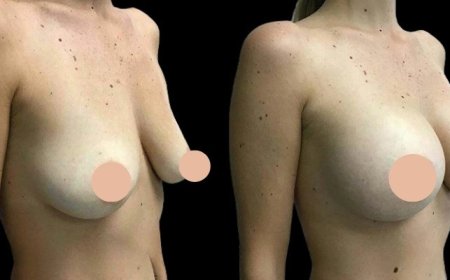
Cosmetic surgery has become increasingly accessible and popular, especially in global hubs known for excellence such as cosmetic surgery in Dubai(????? ??????? ?? ???). While these procedures offer significant benefitsfrom enhancing self-esteem to correcting physical anomaliesthey also raise important ethical questions. As more individuals seek aesthetic enhancements, society must consider where to draw the line between beneficial interventions and potentially harmful excesses. Understanding the ethical landscape helps both patients and practitioners navigate decisions responsibly.
Defining Ethics in Cosmetic Surgery:
Ethics refers to the moral principles governing a persons behavior or conducting an activity. In cosmetic surgery, ethical considerations revolve around patient safety, informed consent, realistic expectations, and the surgeons professional integrity.
Core ethical principles include:
-
Autonomy: Respecting a patients right to make informed decisions
-
Beneficence: Acting in the patients best interest
-
Non-maleficence: Avoiding harm and unnecessary risks
-
Justice: Ensuring fairness in access and treatment
Balancing these principles ensures cosmetic procedures serve patients' well-being.
The Role of Informed Consent:
A cornerstone of ethical practice is obtaining informed consent, ensuring patients understand the benefits, risks, and limitations of surgery.
Elements of proper informed consent:
-
Comprehensive explanation of the procedure
-
Discussion of potential complications and outcomes
-
Alternative treatment options
-
Time for questions and reflection
-
Voluntary decision-making without pressure
Without this process, patients may undergo procedures without fully grasping implications, leading to dissatisfaction or harm.
Ethical Concerns Around Unrealistic Expectations:
One challenge in cosmetic surgery is managing patients expectations, especially those influenced by media or celebrity culture.
Risks of unrealistic expectations:
-
Pursuit of perfection that is unattainable
-
Repeated surgeries that increase health risks
-
Psychological distress or body dysmorphic disorders
-
Patient dissatisfaction despite technically successful outcomes
Ethical surgeons work diligently to set achievable goals and support mental health.
When Cosmetic Surgery Crosses Ethical Boundaries:
Certain scenarios raise red flags regarding ethical practice in aesthetic medicine.
Examples include:
-
Performing surgery on minors without compelling medical reasons
-
Operating on patients with untreated psychological conditions
-
Encouraging excessive or unnecessary procedures for profit
-
Ignoring cultural or social pressures influencing patient decisions
Medical professionals must uphold strict ethical standards to avoid exploitation.
The Surgeons Ethical Responsibilities:
Surgeons play a critical role in maintaining ethical standards through honest communication, professional competence, and prioritizing patient welfare.
Key surgeon duties:
-
Conduct thorough patient assessments, including psychological readiness
-
Decline to perform surgery if risks outweigh benefits
-
Maintain transparency regarding costs and expected outcomes
-
Keep updated with best practices and training
-
Respect patient confidentiality and autonomy
These responsibilities build trust and safeguard the integrity of cosmetic surgery(????? ???????).
Ethical Dimensions of Cosmetic Surgery in Dubai:
As a leading destination for cosmetic procedures, Dubai faces unique ethical challenges related to its diverse patient base and booming medical tourism industry.
Ethical considerations specific to Dubai:
-
Ensuring quality standards across international clinics
-
Addressing language and cultural barriers in communication
-
Balancing demand with ethical patient screening
-
Managing pressures from competitive cosmetic markets
Patients seeking cosmetic surgery in Dubai benefit from increased awareness and stricter regulatory frameworks promoting ethical care.
Cultural and Social Influences on Ethical Decisions:
Societal norms and cultural values shape perceptions of beauty and the ethical boundaries of surgery.
How culture impacts ethics:
-
Different beauty ideals affect patient desires
-
Social stigma around cosmetic procedures may cause secrecy or denial
-
Pressure to conform can challenge true autonomy
-
Varied legal and ethical standards worldwide complicate global practice
Understanding these influences helps practitioners provide culturally sensitive care.
The Ethics of Marketing and Media Influence:
Marketing strategies and social media have a powerful impact on the demand for cosmetic surgery, sometimes blurring ethical lines.
Ethical marketing practices should include:
-
Honest representation of results without exaggeration
-
Avoiding targeting vulnerable populations
-
Clear communication about risks and limitations
-
Promoting realistic beauty standards rather than idealized perfection
Responsible marketing protects consumers from misinformation and unrealistic expectations.
How Patients Can Make Ethical Choices:
Patients also bear responsibility for ethical decision-making by educating themselves and engaging in open dialogue.
Tips for ethical patient behavior:
-
Research surgeons qualifications and reputations
-
Seek multiple opinions if unsure about surgery
-
Reflect on motivations and mental readiness
-
Ask detailed questions about procedures and risks
-
Avoid rushing decisions under social or emotional pressure
Empowered patients contribute to ethical medical practice.
Moving Forward: Promoting Ethics in Cosmetic Surgery:
To ensure cosmetic surgery remains a positive force, ongoing efforts from professionals, regulators, and society are necessary.
Steps to enhance ethical standards:
-
Implementing rigorous certification and licensing processes
-
Offering psychological evaluation as part of consultations
-
Encouraging transparency in pricing and outcomes
-
Educating the public on realistic beauty and surgical limits
-
Fostering open conversations about mental health and body image
These initiatives create a safer, more ethical environment for cosmetic enhancements.
Conclusion:
Cosmetic surgery holds the power to transform lives but also poses ethical challenges that cannot be ignored. Drawing the line requires thoughtful consideration of patient welfare, informed consent, and cultural context. In prominent hubs like Dubai, where cosmetic surgery in Dubai attracts a diverse international clientele, upholding ethical principles is especially crucial. Ultimately, a balanced approach that respects both the art and science of cosmetic surgery ensur