



















Effective Customer Loyalty Management Strategies for Growth
Customer loyalty management refers to the strategies, tools, and technologies businesses use to build, track, and maintain customer loyalty.

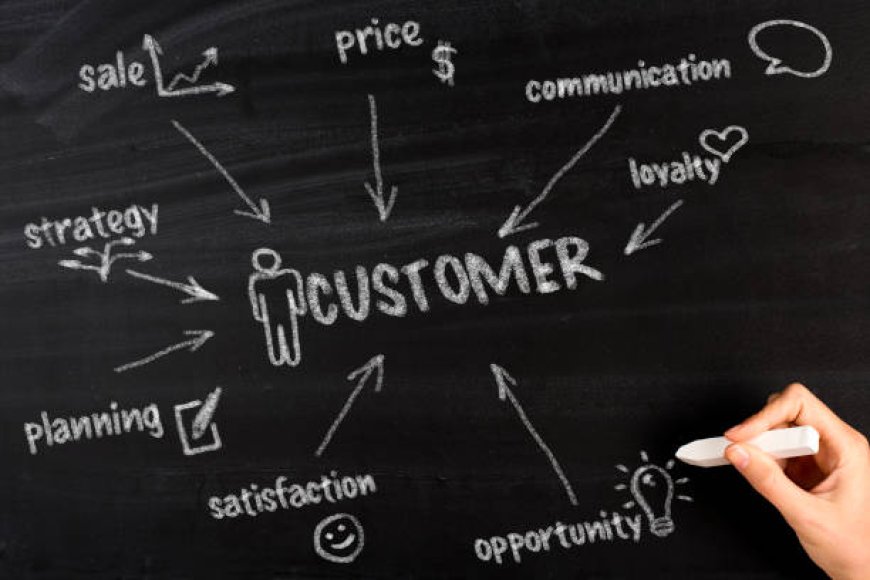
In todays dynamic business environment, retaining customers has become as crucial as acquiring new ones. While marketing efforts often focus on attracting leads, its the ability to turn one-time buyers into repeat customers that fuels long-term success. Thats where customer loyalty management plays a vital role.
Customer loyalty isnt just about discounts or reward pointsits about building strong emotional connections, delivering exceptional experiences, and showing customers theyre valued. An efficient loyalty management strategy not only improves customer retention but also significantly boosts revenue, brand advocacy, and competitive advantage.
What Is Customer Loyalty Management?
Customer loyalty management refers to the strategies, tools, and technologies businesses use to build, track, and maintain customer loyalty. It encompasses everything from loyalty programs and customer engagement initiatives to data analysis and personalized communication.
By understanding customer behavior and preferences, companies can deliver tailored experiences and rewards that make customers more likely to returnand to spend more when they do.
Why Is Customer Loyalty Important?
Numerous studies have shown that repeat customers spend more and cost less to retain than new ones. Consider these statistics:
-
Acquiring a new customer costs 510 times more than retaining an existing one.
-
Loyal customers spend up to 67% more than first-time buyers.
-
Increasing customer retention by just 5% can lead to a profit increase of 2595%.
These numbers highlight the financial value of a strong customer loyalty management strategy.
Key Components of Customer Loyalty Management
To develop and maintain effective loyalty, businesses must focus on several critical components:
1. Customer Data Collection
Tracking purchase history, preferences, feedback, and engagement allows businesses to create targeted experiences and personalized communication.
2. Segmentation
Not all customers are alike. Segmenting customers based on behavior, value, and interests allows companies to tailor loyalty efforts more effectively.
3. Loyalty Programs
Implementing tiered, points-based, or experiential rewards systems encourages continued engagement and brand preference.
4. Personalized Engagement
Sending personalized messages, offers, and content based on customer behavior increases satisfaction and emotional connection.
5. Omnichannel Strategy
Ensure consistent loyalty experiences across all platformswebsite, mobile app, in-store, social media, and email.
6. Feedback and Response
Listening to customer feedback and responding quickly builds trust and demonstrates that their opinions are valued.
Designing an Effective Loyalty Program
A key pillar of customer loyalty management is designing a compelling loyalty program. But not all programs are created equal. Todays consumers seek value beyond transactional rewards.
A well-crafted Innovative Loyalty Program goes beyond points and discountsit offers experiences, early access, personalized surprises, and even contributions to social causes. For example, a fashion retailer might offer loyalty members exclusive previews of upcoming collections or invite-only styling sessions.
This experiential approach taps into customer emotions and strengthens long-term loyalty.
Types of Loyalty Programs That Support Customer Loyalty Management
Different business models benefit from different loyalty strategies. Here are a few common types:
1. Points-Based Programs
Customers earn points with each purchase, which can be redeemed for products, discounts, or perks.
2. Tiered Programs
Customers move through tiers based on their engagement or spending levels, unlocking greater rewards.
3. Paid Memberships
Customers pay a recurring fee to receive premium benefitssuch as Amazon Prime.
4. Cashback and Coupons
Offering a percentage back or occasional discount codes encourages repeat visits.
5. Experiential Rewards
Offer unique experiences such as meet-and-greets, access to events, or behind-the-scenes tours.
6. Value-Based Loyalty
Support causes your customers care aboutlike donating a portion of sales to charity in their name.
Benefits of Effective Customer Loyalty Management
Businesses that invest in structured customer loyalty management experience a wide range of benefits, including:
-
Increased Revenue: Loyal customers are more likely to buy frequently and try new products.
-
Customer Advocacy: Happy, loyal customers often refer others, acting as brand ambassadors.
-
Better Customer Insights: Loyalty platforms provide actionable data on behavior, preferences, and satisfaction.
-
Improved Customer Experience: Personalized interactions and timely rewards enhance the overall experience.
-
Reduced Churn: Customers engaged through loyalty programs are less likely to switch to competitors.
Ultimately, loyalty management helps create a customer-first culture that builds trust and deepens relationships.
Tools and Technology for Customer Loyalty Management
Todays businesses use advanced technologies to manage and scale their loyalty efforts effectively. Common tools include:
-
Customer Relationship Management (CRM) platforms for data management.
-
Loyalty Management Software for designing and tracking loyalty programs.
-
AI and Machine Learning for predictive analytics and behavior-based targeting.
-
Mobile Apps and Wallets to make participation seamless and accessible.
-
POS Integration for syncing offline purchases with loyalty databases.
These technologies help deliver real-time, relevant experiences that keep customers engaged.
Real-World Example: Starbucks Rewards
One of the most successful examples of modern customer loyalty management is Starbucks Rewards. Through its app, customers earn stars with each purchase and unlock free items. Beyond the points, the program offers:
-
Personalized offers
-
Mobile ordering and payment
-
Birthday rewards
-
Early access to new products
This high-touch approach, paired with a convenient digital experience, has resulted in millions of loyal customers worldwide.
Strategies to Improve Customer Loyalty Management
To maximize the impact of your loyalty initiatives, consider these strategic best practices:
-
Measure Key Metrics: Track repeat purchase rate, customer lifetime value, and reward redemption rates.
-
Adapt Based on Feedback: Regularly collect and act on customer insights.
-
Communicate Regularly: Keep customers informed of benefits, updates, and rewards through personalized messaging.
-
Create Loyalty Loops: Design customer journeys that encourage repeat interactions.
-
Celebrate Milestones: Recognize birthdays, anniversaries, and other achievements with personalized messages or gifts.
These practices ensure that your loyalty efforts are always aligned with customer needs.
Conclusion
In a market where choices are abundant and customer attention is limited, strong customer loyalty management is essential. By leveraging the right data, tools, and strategies, businesses can create deeper connections with their customers, encourage repeat business, and drive long-term growth.
More than just a marketing tactic, loyalty management is a business philosophy centered around understanding and valuing the customer journey. Whether youre a small startup or an enterprise brand, implementing a thoughtful and Innovative Loyalty Program can transform one-time shoppers into lifelong advocates.