
























How Modern Construction Combines Adaptability with Precision to Deliver Better Project Results
The world of construction evaluation has undergone a major change. Today's estimation process is no longer limited to static spreadsheets and outdated prices.


The world of construction evaluation has undergone a major change. Today's estimation process is no longer limited to static spreadsheets and outdated prices. It is shaped by the cooperation of real-time data, digital platforms, and cross-teams.
Modern projects are more than just calculating numbers. It's about making more intelligent decisions faster while being guided by flexibility and control.
With so many moving parts, the success of the planning depends on the accuracy in all areas, from the initial design to the selection of the material to the final execution. This is especially pronounced in areas such as FF&E procurement services, where accurate estimates keep projects on course and budget.
1. FF&E plans require more than just numbers
Furniture, fixtures, and equipment (FF&E) accounts for the majority of interior budgets, especially in commercial projects such as hotels, schools, hospitals, and other facilities. Estimates in this field exceed the unit count before managing provider time planning, understanding drafting intentions, and potential circumference.
The latest tools will allow those managing FF&e cooking services to plan with integrated flexibility. Once the project's design is developed, the estimates can be updated in real time so that the team can control the appropriate decisions immediately.
2. Maintain your budget with design-driven procurement within your budget
Procurement is no longer a backend task. It starts at the beginning of the design phase. This means that viewers working on FF&E procurement services need to be in touch with designers, architects, and providers from the start. Cloud-based estimation tools make this collaboration smoother and allow teams to adapt their budgets to change product specifications.
This type of integration supports better cost tracking and avoids last-minute budget surprises due to supply chain design changes or obstacles.
3. Intensive tools help you manage your relocation needs
When managing large builds, you can pursue persecution, articles, and schedules of changes through several providers. The digital platform simplifies this process by combining procurement, design, and construction teams through a typical dashboard.
4. Starting to respond to the real world
One of the most important areas where accuracy and flexibility are met is the Wood Start service. If the wooden frame and coating form the backbone of many structures, small errors in the starting estimation can lead to large cost overruns.
Digital takeoff software allows teams to measure directly from current drawings. Whether it's a commercial building or residential, estimates can produce accurate quantitative reports and simultaneously adjust design changes.
5. Material estimation that meets field conditions
The structure does not occur in a vacuum. Soil condition, weather, and even team availability can affect material use. Estimates that provide the Wood Start service use digital tools that link site reports to quantitative estimates and allow teams to change the start when field conditions change.
This feedback loop creates onsite activity and project budgets, waste reductions, and stronger orientations between enclosures.
6. Faster revisions and actual time costs
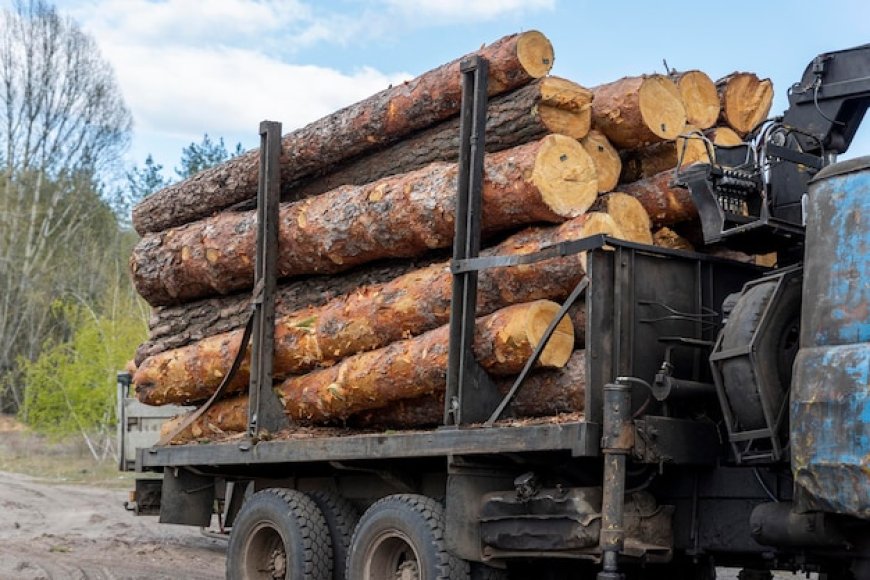
Under traditional methods, it may take several days to revise the start of an updated drawing. With cloud-based platforms, lumber takeoff Services can now quickly revise estimates. Teams can examine cost-effectiveness in real time and help them make decisions that compensate for accuracy and speed.
This allows contractors and developers to avoid delays from outdated data and manual recalculations to ensure a smoother transition between the planning and the building.
7. Estimating teams as strategic partners
As tools become more intelligent, the role of estimators is expanding. In many construction companies, the estimator is not just several cruncher, but a strategic consultant. Use data to identify risks, advise cost-saving options, and align budgets with project goals.
The estimates are incorporated into the project team from the start, supporting collaboration between architects, engineers, and contractors. This approach generates higher confidence in estimates and project outcomes.

8. Data transparency creates client trust
Customers expect to be clearer about where their money is heading. Through digital tools, construction estimating companies can provide detailed cost traces, highlight the situation, and update customers in real time. This type of visibility strengthens relationships and allows stakeholders to understand how decisions affect them over time.
It also supports value engineering by retaining remaining ownership options within your budget without affecting your design or functionality.
9. Managing costs for fast-moving industries
Project requirements will be developed. Whether it's a regulatory change, a lack of materials, or a revised plan, estimates need to be adapted promptly today. Estimates from companies using modern tools. Companies can respond faster and generate estimates more accurately, even when conditions change.
Helps you stay up to date with your projects and maintain budgets from concept to completion by compensating for cost management with schedule requirements.
Final thoughts
In the modern world of construction, flexibility and control are not important partners. Digital tools provide teams with the knowledge they need to accurately assess, adapt safely, and efficiently deliver. Whether it's a smart FF&E procurement service, an accurate timber launch service, or a strategic role in a construction company's estimate, the latest estimates are more than just mathematics that you build intentionally and reliably.
In the further process of the industry, those who use digital estimation tools not only achieve better cost accuracy but also enhance project outcomes. The future of construction studios is not only accurate, but also smart, supportive, a nd adaptable.