





















Importance of Office Table Design in Modern Workspaces

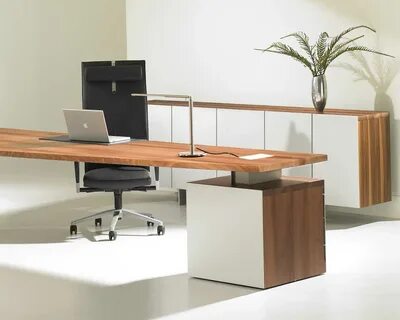
In todays fast-evolving business environment, the workplace is no longer just a space to perform tasksit is a dynamic hub for collaboration, innovation, and employee well-being. One of the central elements shaping this transformation is office table design. More than just furniture, office tables now define how we work, communicate, and create. A well-designed office table enhances productivity, supports ergonomics, and reflects a companys brand identity. Whether you are setting up a corporate office, a coworking space, or a home office, the right table design plays a vital role in creating an efficient and inspiring environment.
Trends Shaping the Future of Office Table Design
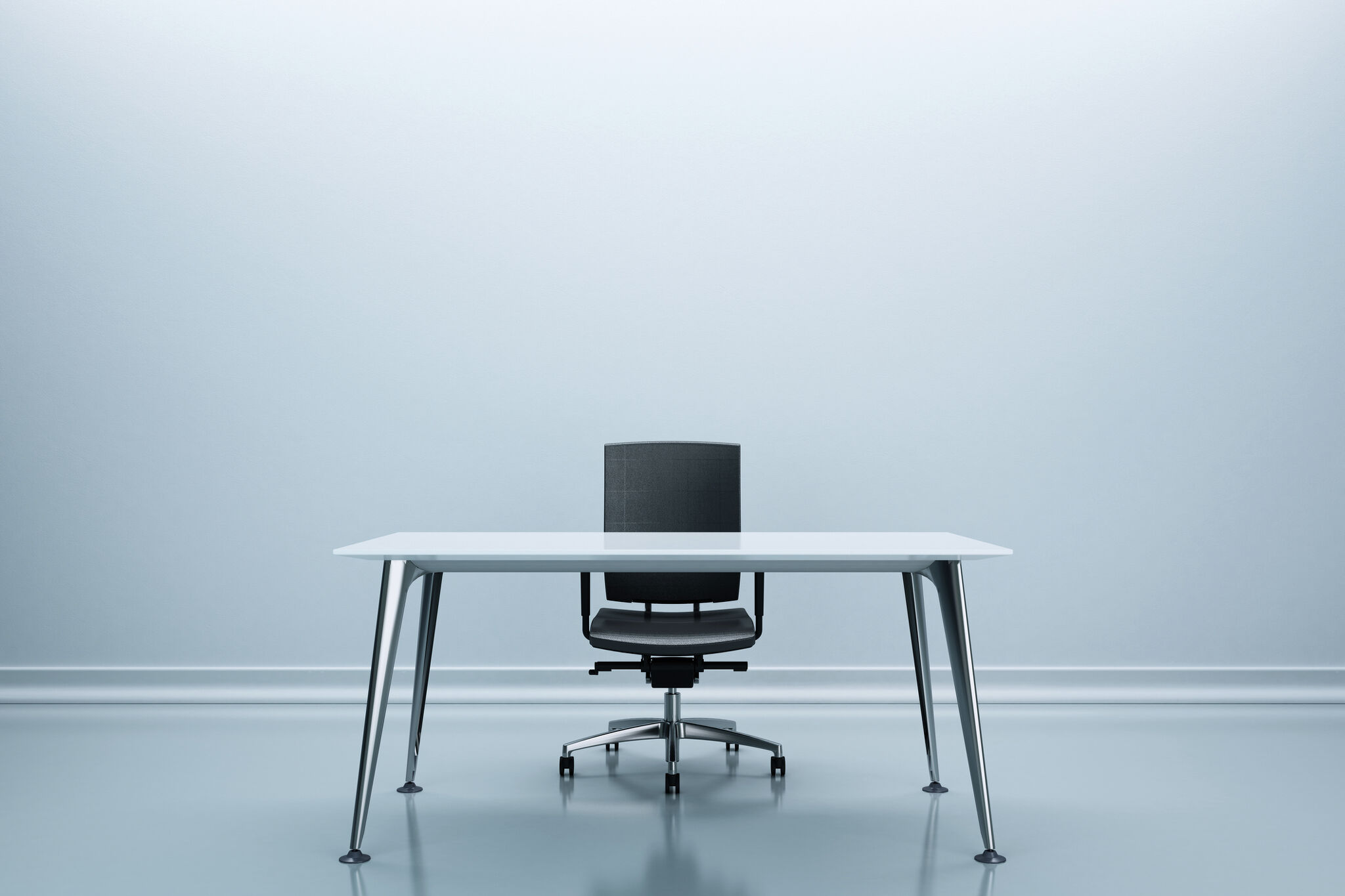
The world of office table design is constantly evolving, influenced by changes in work culture, technology, and employee expectations. One of the most noticeable trends is the shift toward minimalist and multifunctional designs. Contemporary office tables are now sleeker, with cleaner lines and less clutter, allowing employees to focus better. There is also a growing preference for tables made with sustainable materials such as recycled wood, metal, and bamboo, aligning office design with environmental values. Adjustable-height desks and modular table systems that can be customized for solo or team work are also gaining popularity. These designs reflect the hybrid and flexible work models that dominate modern office culture.
Ergonomics and Employee Health in Table Design
A good office table design prioritizes ergonomics to support the physical well-being of employees. Prolonged sitting, awkward posture, and poorly designed furniture can lead to health issues like back pain, neck strain, and carpal tunnel syndrome. Thats why ergonomic office tablesthose that support natural posture, arm and wrist alignment, and monitor positioningare crucial. Sit-stand desks are an excellent example of this trend. They allow employees to alternate between sitting and standing, reducing the risk of sedentary-related health issues. Cable management systems, integrated storage, and rounded edges are additional ergonomic features that make a significant difference in user comfort.
Office Table Design for Collaborative Spaces
The way teams collaborate has changed dramatically, and office furniture must support this new reality. Office table design now often includes collaborative features like open-ended shapes, curved edges, and mobile components. Conference tables, benching systems, and shared worktables are engineered to encourage communication and teamwork. Some tables come with integrated power outlets, USB charging ports, and even embedded digital screens for seamless collaboration. Round and oval tables promote equality and participation, while longer rectangular tables are ideal for structured team discussions. These collaborative table designs reflect an office culture where transparency, interaction, and shared problem-solving are prioritized.
Customization and Personal Expression Through Table Design
Another growing aspect of office table design is personalization. Employees want to feel a sense of identity and ownership at their desks. Customizable office tables allow users to adjust the height, choose the color scheme, and add accessories such as privacy panels or organizational tools. This trend is especially prominent in startups and creative industries, where individual expression and workspace comfort are closely linked to performance. Custom furniture also enables businesses to reinforce their brand identity through specific color palettes, shapes, and materials. Whether its a sleek black marble table for an executive suite or a colorful, modular desk system for a creative studio, custom designs offer a way to connect aesthetics with function.
Materials and Sustainability in Modern Office Tables
Modern office table design emphasizes the use of sustainable and durable materials. As businesses become more conscious of their environmental impact, the demand for eco-friendly office furniture has risen. Tables made from recycled wood, reclaimed metal, or responsibly sourced bamboo are gaining traction. These materials not only reduce carbon footprint but also bring a natural, calming aesthetic to the office. Additionally, high-pressure laminates, tempered glass, and metal alloys are used for durability and easy maintenance. Manufacturers now blend sustainability with aesthetics, offering stylish tables that last long and have minimal environmental impact. Water-based finishes, toxin-free coatings, and modular components for easy repair and reuse further enhance sustainability.
The Role of Technology in Smart Office Tables
Technology integration is becoming a core feature of modern Office furniture. In smart offices, tables are no longer just static platformsthey are interactive workstations equipped with built-in power modules, wireless charging pads, height-adjustable motors, and IoT sensors. These smart features allow for more seamless workflows, better organization, and improved ergonomics. For example, some tables come with touch-sensitive controls for adjusting height, USB ports for charging devices, or Bluetooth speakers for conference calls.